Ohio University

Learning & Intelligent Systems Lab (LiSL)

Current Projects


Autonomous Robots


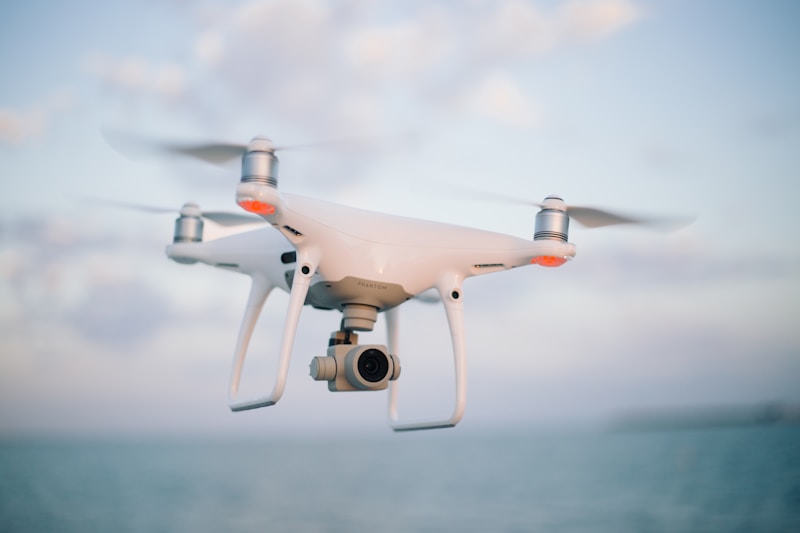
Multi-UAV Swarm

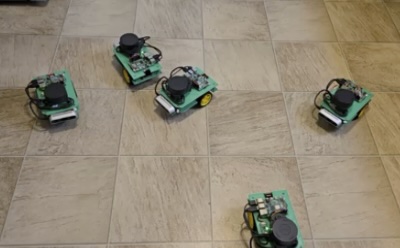
We develop deep reinforcement learning approaches for autonomous navigation, collision avoidance, and path planning in robots and UAVs.

  • Song, S., Bihl, T., & Liu, J. (2026) Coulomb Force-Guided Deep Reinforcement Learning for Effective and Explainable Robotic Motion Planning. Frontiers in Robotics and AI, 12, 1697155. [link]
  • Nagura, D., Bihl, T., Liu, J. (2025), Reinforcement Learning with Human Experience (RLHE) for Racing Car Games. 2025 ASEE Conference.
  • Zhang, Y., Liu, J. (2025), From O(n) to O(1): A Novel Learning-based Approach for Path Planning. 2025 ICRAS Conference. Accepted.
  • Nagura, D., Bihl, T., Liu, J. (2024) Boosting Race Car Performance Through Reinforcement Learning from AI Feedback (RLAIF). IEEE NAECON. [link] [bib]
  • Song, S., Saunders, K., Yue, Y., & Liu, J. (2022). Smooth Trajectory Collision Avoidance through Deep Reinforcement Learning. IEEE ICMLA. [pdf]
  • Zhang, Y., Liu, J. (2023). Vertex-based Networks to Accelerate Path Planning Algorithms. IEEE MLSP (pp. 1-6).
  • Song, S., et al. (2021). Vision-based Collision Avoidance through Deep Reinforcement Learning. IEEE NAECON. [pdf]

  • Neuromorphic Computing


    Neuromorphic Chip

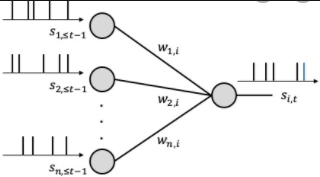
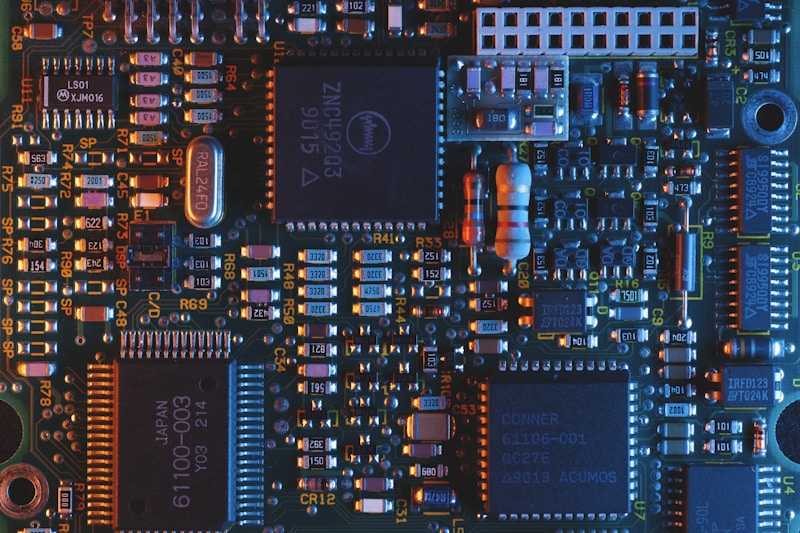
    We develop energy-efficient spiking neural networks (SNNs) for low SWaP-C (Size, Weight, and Power-Cost) edge AI applications.

  • Bihl, T., Majumder, R., Wang, Z., Karanth, A., Liu, J. (2025), Toward Low-SWaP Cognitive Agents: Neuromorphic and FPGA-Based Deployments of Event Neural Networks. ICCV Workshop on Neuromorphic Vision (NeVi). [pdf]
  • Abuhajar, N., Wang, Z, Yue, Y, Baltes, M, ... & Liu, J. (2025). Three-stage Hybrid Spiking Neural Networks Fine-tuning for Speech Enhancement. Frontiers in Neuroscience. [pdf]
  • Yue, Y., Baltes, M., Abuhajar, N., ... & Liu, J. (2023). Spiking neural networks fine-tuning for brain image segmentation. Frontiers in Neuroscience, 17. [pdf]
  • Baltes, M., Abujahar, N., Yue, Y., Smith, C. D., Liu, J. (2023). Joint ANN-SNN Co-training for Object Localization and Image Segmentation. IEEE ICASSP. [pdf]
  • Yue, Y., Baltes, M., Abujahar, N., Sun, T., Smith, C. D., Bihl, T., & Liu, J. (2023). Hybrid Spiking Neural Network Fine-tuning for Hippocampus Segmentation. IEEE ISBI. [pdf]
  • Baltes, M. (2023). Hybrid ANN-SNN Co-Training for Object Localization and Image Segmentation. M.S. thesis. [OhioLINK]
  • Smith, C. C. (2021). The Evaluation of Current Spiking Neural Network Conversion Methods in Radar Data. M.S. thesis. [OhioLINK]

  • Agentic RAG and LLM Agents

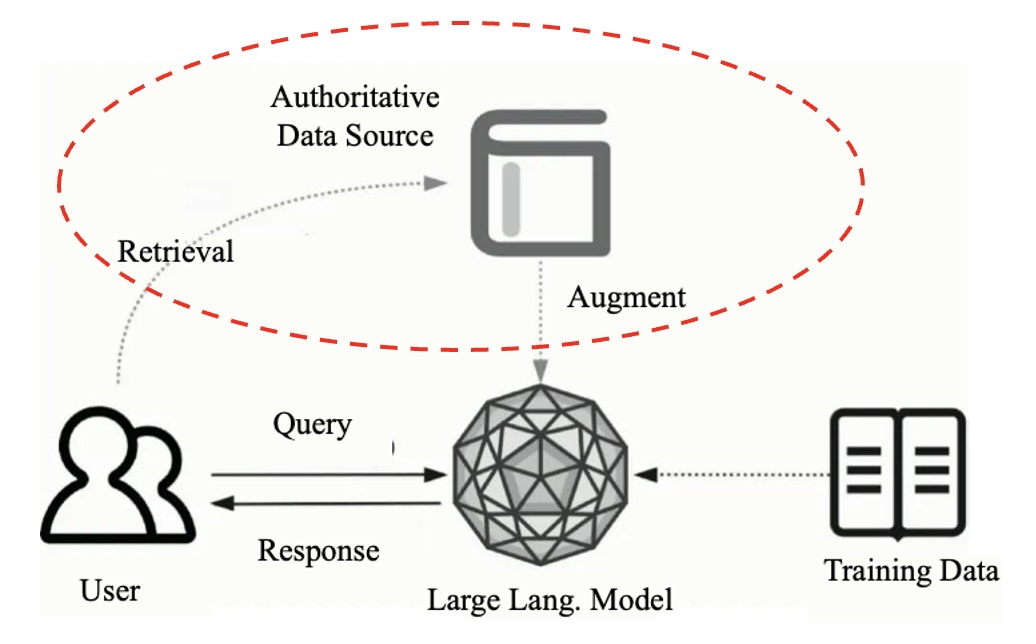
    We develop fast KV prefilling solutions for intelligent chatbots and agentic solutions.

  • Yue, Y., et al. (2026). Plug-and-Play KV Cache Reuse for Low-Latency Retrieval-Augmented Generation (RAG). The International Joint Conference on Neural Networks (IJCNN'26). In Press.

  • Airport Runway Monitoring

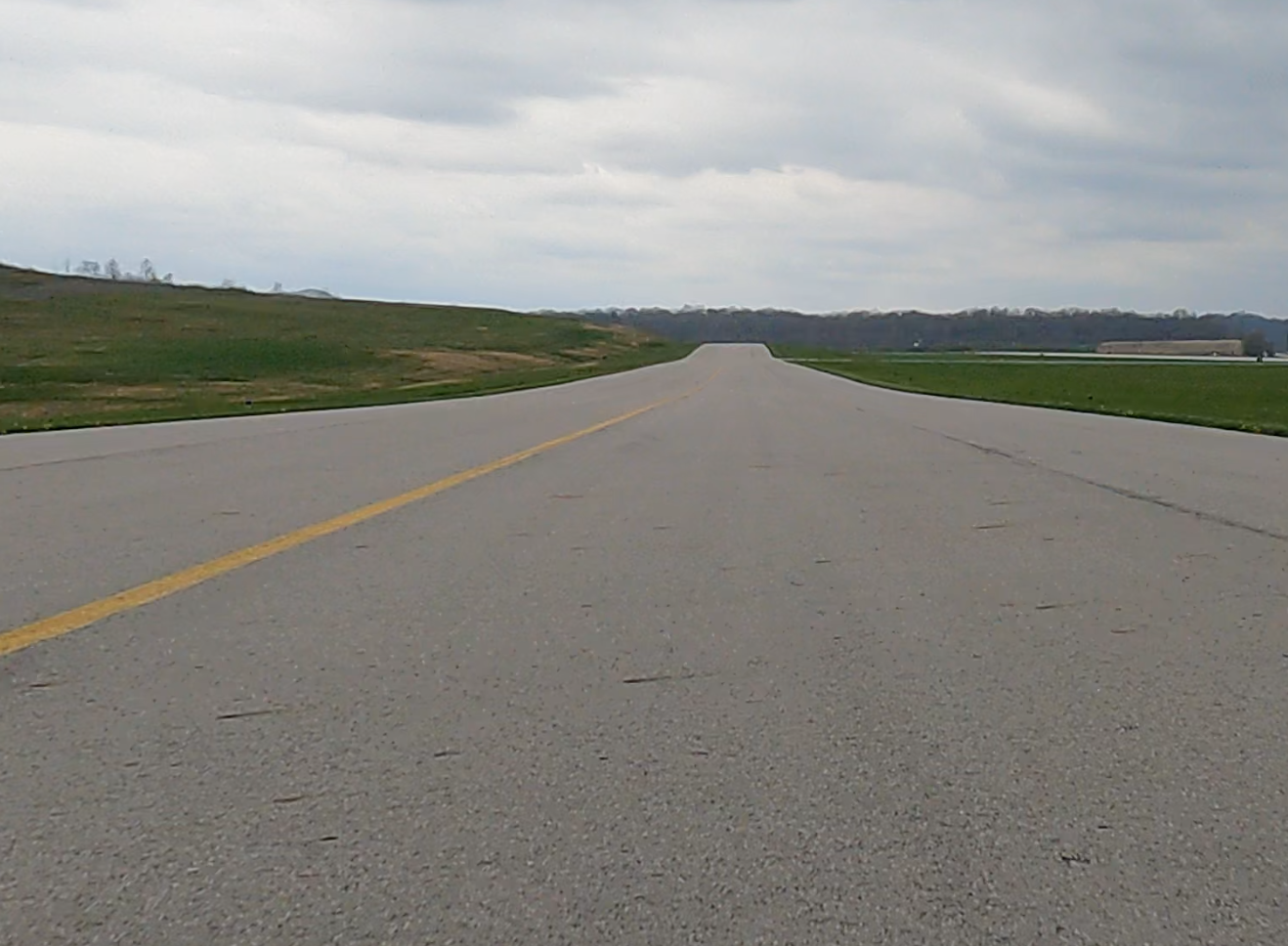
    We develop AI-based Foreign Object Debris (FOD) detection systems for airport runway safety monitoring.

  • Qin, X. (2025). Computer Vision Based FOD Detection Through Deep Learning. Doctoral dissertation, Ohio University. [OhioLINK]
  • Qin, X., Song, S., Brengman, J., Bartone, C., & Liu, J. (2025). Towards All-time, All-weather FOD Detection through Generative AI. IEEE ICIP. Accepted.
  • Qin, X., Song, S., Brengman, J., Bartone, C., & Liu, J. (2024). Robust FOD Detection using Frame Sequence-based Detection Transformer (DETR). IEEE Conference on Artificial Intelligence. [link] [bib]
  • Song, S., Qin, X., Brengman, J., Bartone, C., & Liu, J. (2023). Holistic FOD Detection Via Surface Map and Yolo Networks. IEEE MLSP (pp. 1-6). [pdf] [bib]

  • Past Projects


    Brain Analysis

    Brain Analysis & Alzheimer's Disease

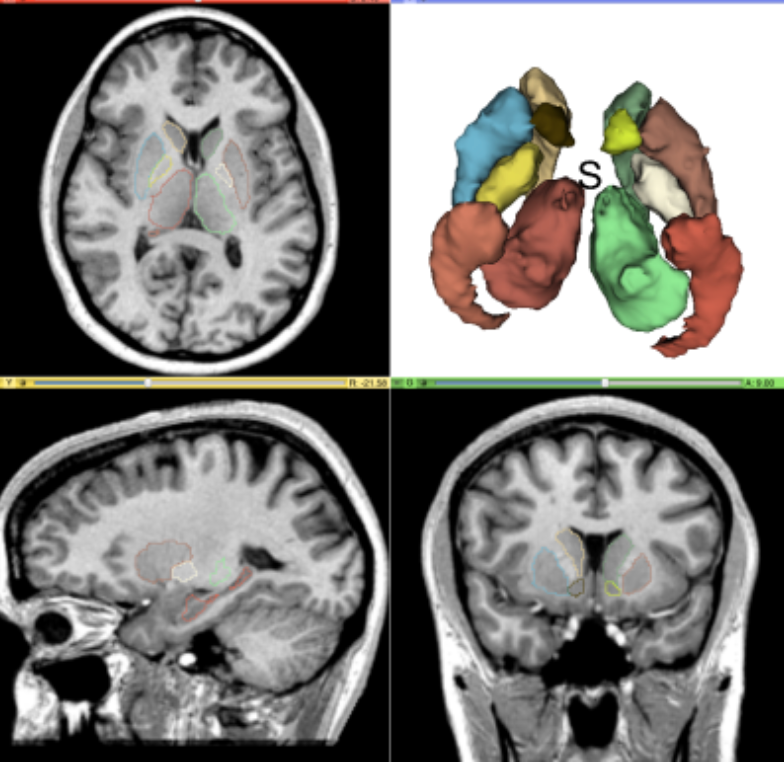
    We develop deep learning and metric learning approaches for brain image segmentation and Alzheimer's disease staging.
  • Yue, Y., Baltes, M., Abuhajar, N., ... & Liu, J. (2023). Spiking neural networks fine-tuning for brain image segmentation. Frontiers in Neuroscience, 17. [pdf]
  • Shi, B., et al. (2017). Nonlinear feature transformation and deep fusion for Alzheimer's Disease staging analysis. Pattern Recognition. [pdf]
  • Shi, B., Liu, J. (2018). Nonlinear Metric Learning for kNN and SVMs through Geometric Transformations. Neurocomputing. [pdf]
  • Zhang, P., et al. (2017). Nonlinear Feature Space Transformation to Improve the Prediction of MCI to AD Conversion. MICCAI. [pdf]
  • Chen, Y., et al. (2017). Hippocampus Segmentation through Multi-view Ensemble ConvNets. IEEE ISBI. [pdf]
  • Hobbs, D., et al. (2016). Quad-mesh based radial distance biomarkers for Alzheimer's Disease. IEEE ISBI. [pdf]
  • Wang, Z., et al. (2018). Ensemble of Multi-sized FCNs to Improve White Matter Lesion Segmentation. MLMI. [pdf]
  • Sun, T., et al. TraceCaps: A Capsule-based Neural Network for Semantic Segmentation. [pdf]

  • Digital Pathology

    Digital Pathology

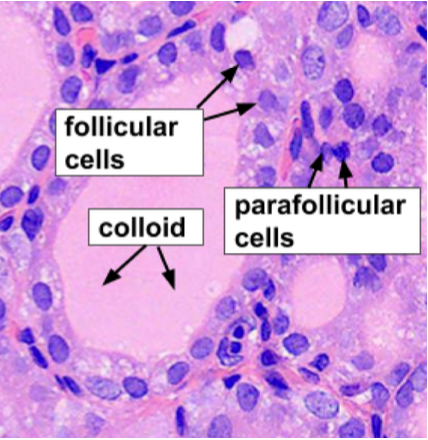
    We develop FCN-based approaches for medical image segmentation in digital pathology applications.

  • Wang, J., Liu, J. (2024). Semi-Supervised Learning and Focal Masking for Vessel Segmentation in X-ray Coronary Angiography. IEEE ICMLA.
  • Wang, Z., et al. (2019). Residual Pyramid FCN for Robust Follicle Segmentation. IEEE ISBI. [pdf]
  • Wang, Z. (2020). Fully Convolutional Networks (FCNs) for Medical Image Segmentation. Ph.D. dissertation. [OhioLINK]

  • Speech Enhancement

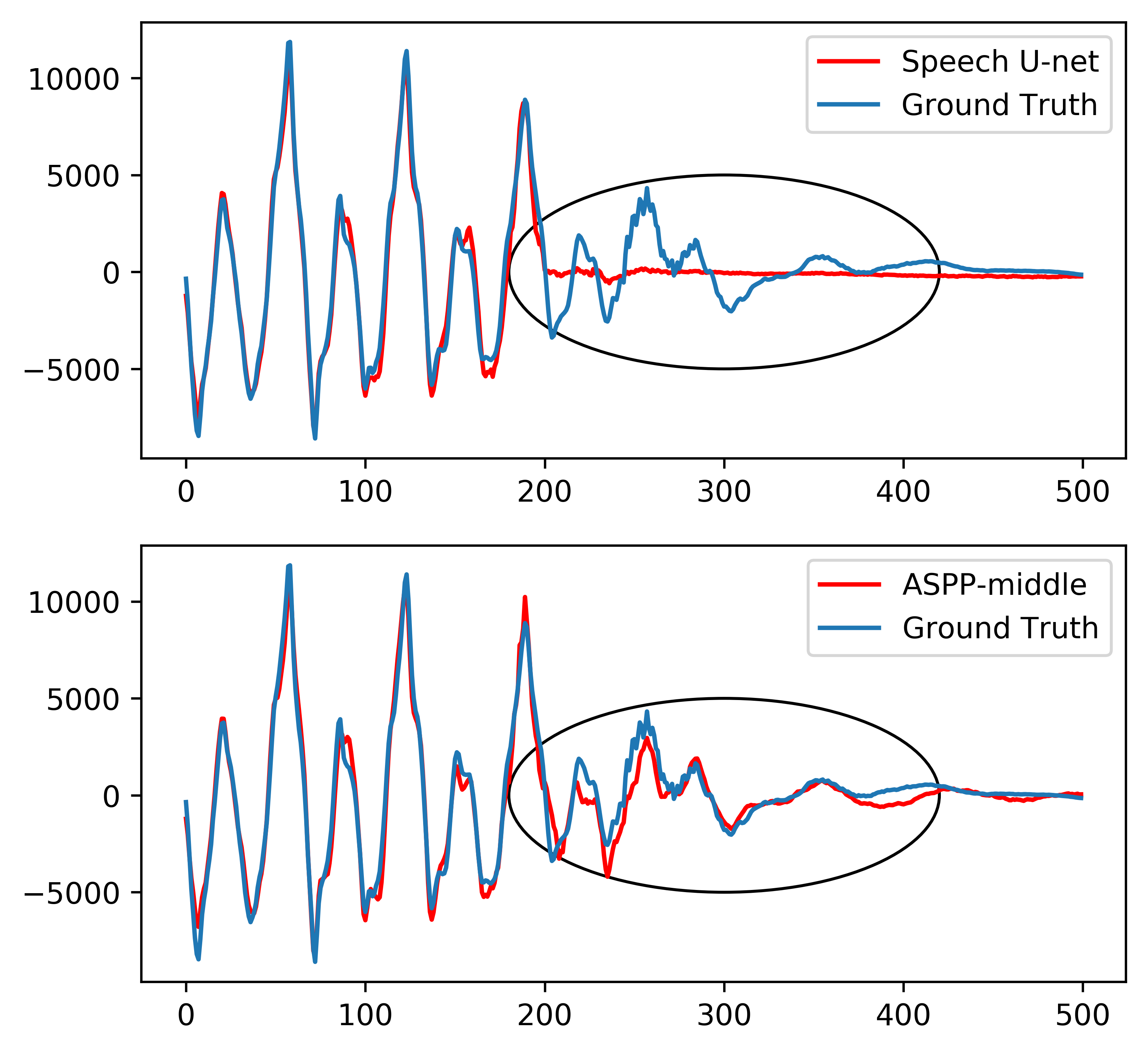
    We develop deep learning approaches for speech enhancement, speaker separation, and audio processing.

  • Abuhajar, N., Wang, Z., Yue, Y., Baltes, M., ... & Liu, J. (2025). Three-stage Hybrid Spiking Neural Networks Fine-tuning for Speech Enhancement. Frontiers in Neuroscience. [pdf]
  • Abuhajar, N., et al. (2022). Individualized Conditioning and Negative Distances for Speaker Separation. IEEE ICMLA. [pdf]
  • Sun, T., et al. (2021). Boosting the Intelligibility of Speech Enhancement Networks Through Self-Supervised Representations. IEEE ICMLA. [pdf]
  • Abuhajar, N., et al. (2021). Network Compression and Frame Stitching for Efficient and Robust Speech Enhancement. IEEE NAECON. [pdf]
  • Gong, Y., et al. (2019). Dilated FCN: Listening Longer to Hear Better. WASPAA. [pdf]

  • Radar Signal Processing

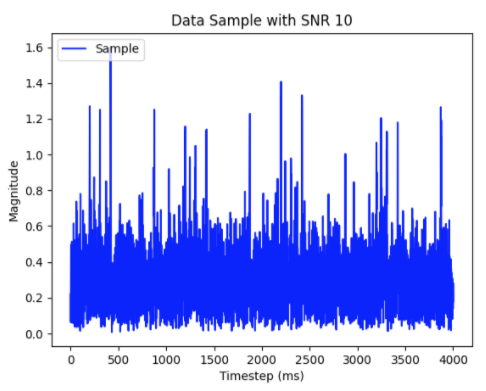
    We develop deep learning and spiking neural network approaches for radar emitter detection and signal processing.

  • McGee, G., et al. (2023). Multi-task Network for Radar Emitter Detection and Denoising. IEEE NAECON.
  • McGee, G., et al. (2021). Network Fusion for Radar Emitter Detection. IEEE NAECON.
  • Smith, C. C. (2021). The Evaluation of Current Spiking Neural Network Conversion Methods in Radar Data. M.S. thesis. [OhioLINK]

  • Graph Matching

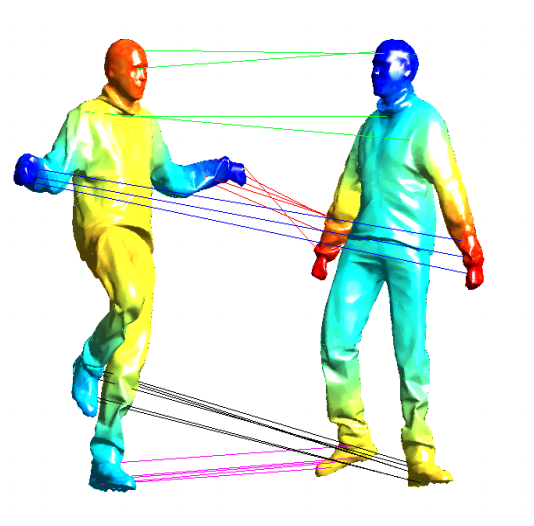
    Earlier work on graph-based approaches for shape matching and information retrieval.

  • Xu, H., Liu, J. (2013). Spatial-awareness Spectral Embedding (SASE) for Robust Shape Matching. IEEE ICASSP. [pdf]
  • Wang, Z., et al. (2018). Nonlinear Metric Learning through Geodesic Interpolation within Lie Groups. ICPR. [pdf]